

Project Overview
Peakathon competition, organized by Procter & Gamble (P&G), aimed to shift Egyptian consumer behavior from traditional manual toothbrushes to premium electric oral care, turning a luxury perception into an essential daily health ritual.
1. The Market Context
When evaluating the fast-moving consumer goods (FMCG) landscape in Egypt, oral care presented a classic market paradox: high clinical necessity paired with low preventive behavior. Egyptian consumers traditionally treat dental hygiene as a reactive, problem-solving task rather than a daily wellness investment.
The core issue wasn’t just product awareness. It was a deep-seated belief that manual toothbrushes are “good enough,” while electric alternatives were perceived as an over-engineered, unaffordable luxury.
2. On-the-Ground Discovery: The Retail Blindspot
To understand why adoption remained stagnant, our team conducted a dual-track discovery phase: an on-the-ground physical retail audit alongside primary consumer research.
The Physical Store Audit
We audited top-tier supermarket chains and pharmacy franchises across urban centers. The result was striking:
| Channel Audited | Retail Chains | Physical Shelf Presence |
|---|---|---|
| Hypermarkets & Supermarkets | Carrefour, Seoudi, Gourmet | 0% Availability |
| Major Pharmacies | El-Ezaby, Seif | 0% Availability |
The Key Insight: Consumers weren’t rejecting electric toothbrushes in stores—they literally could not buy them. Distribution was fragmented across secondary e-commerce listings with zero physical point-of-sale visibility.
Checking the Digital Footprint
We also analyzed online retail channels, including Amazon Egypt, Talabat, Noon and Breadfast. While some listings existed, they were often buried under generic oral care categories, lacked clear product differentiation, and suffered from inconsistent pricing. Also, we discovered that the brushes didn’t penetrate Breadfast and Talabat, which are the most popular last-mile delivery platforms in Egypt.
Primary Consumer Research ()
To unpack consumer sentiment, we surveyed target demographics:
- Demographic Reach: 92.7% of respondents were aged 18–24, and 72% were active university undergraduates.
- The Cost Wall: 47.6% cited high upfront price as the primary reason for avoiding electric toothbrushes.
- The Value Gap: The majority lacked concrete awareness regarding plaque removal efficiency vs. manual alternatives.
3. The Strategy: Network Dynamics & Social Cascades
Rather than relying on generic broad-reach advertising, we engineered a go-to-market model built on Watts & Dodds Network Theory. By targeting high-density central nodes within local communities, we initiated an organic social adoption cascade.
Target Touchpoints & Ecosystem
- Total Targeted Touchpoints: 273,000 direct interactions across clinical, digital, and experiential channels.
- Node Target: Focus marketing density on 10%–25% of key influential nodes to reach the critical population threshold ().
Archetypal Personas
- Dr. Hany (Clinical Authority): Trusted dentists recommending superior plaque removal during routine consultations.
- Selim (Early Adopter Gen-Z): Tech-curious university students who value performance, gadgets, and personal care aesthetics.
- Yasmin (Lifestyle & Wellness Creator): Content creators who showcase oral care routines within holistic health and beauty content.
4. Execution & Seasonal Roadmap
We structured the rollout around key cultural and seasonal moments in Egypt to maintain brand momentum throughout the year:
- Q1 — “Pairing Care” (Valentine’s Day): Product bundling focusing on dual-handle sets for couples.
- Q2 — Ramadan & Eid Series: Tactical product placements in popular evening TV series, contextualizing brushing routines post-Iftar and Suhoor.
- Q3 — Sahel Summer Pop-ups: High-impact, experiential brand booths in North Coast (Sahel) hubs featuring live trials, dentist consultations, and direct sales.
5. Financial Modeling & ROI Impact
To ensure commercial viability, our financial blueprint balances immediate hardware acquisition with long-term consumable revenue streams.
Business Model Equations
Revenue & P&L Projection
| Financial Metric | Value (EGP) | Revenue Share / Notes |
|---|---|---|
| Gross Projected Revenue | ~83,700,000 EGP | 100% Total Volume |
| — Handle Units (Acquisition) | ~48,211,200 EGP | 57.6% Total Revenue |
| — Refill Heads (Retention) | ~35,488,800 EGP | 42.4% Recurring LTV Revenue |
| Total Marketing Investment | ~27,000,000 EGP | Full Integrated Marketing Budget |
| Projected Net Profit | ~16,300,000 EGP | Campaign Yield |
| Overall Campaign ROI | 210% | Commercial Target |
Capital Allocation Breakout
- Physical Retail & Supermarket Endcaps: 6,000,000 EGP
- Digital & Performance Marketing: 8,500,000 EGP
- Clinical & Influencer Partnerships: 5,500,000 EGP
- Experiential Activations (Sahel Pop-ups): 4,000,000 EGP
- Trade Support & Contingency: 3,000,000 EGP
6. Key Takeaways & Strategic Imperatives
- Physical Retail Presence is Mandatory: Securing dedicated shelf space and endcaps in chains like Gourmet and El-Ezaby directly addresses the primary retail barrier.
- Overcoming the Price Wall: Integrating Buy-Now-Pay-Later (BNPL) options (e.g., Valu, Sympl) lowers upfront cost resistance for handles priced between 800 and 3,000+ EGP.
- Maximizing Lifetime Value: Refill brush heads represent 42.4% of potential revenue. Implementing automated subscription or re-order reminders locks in long-term profitability.
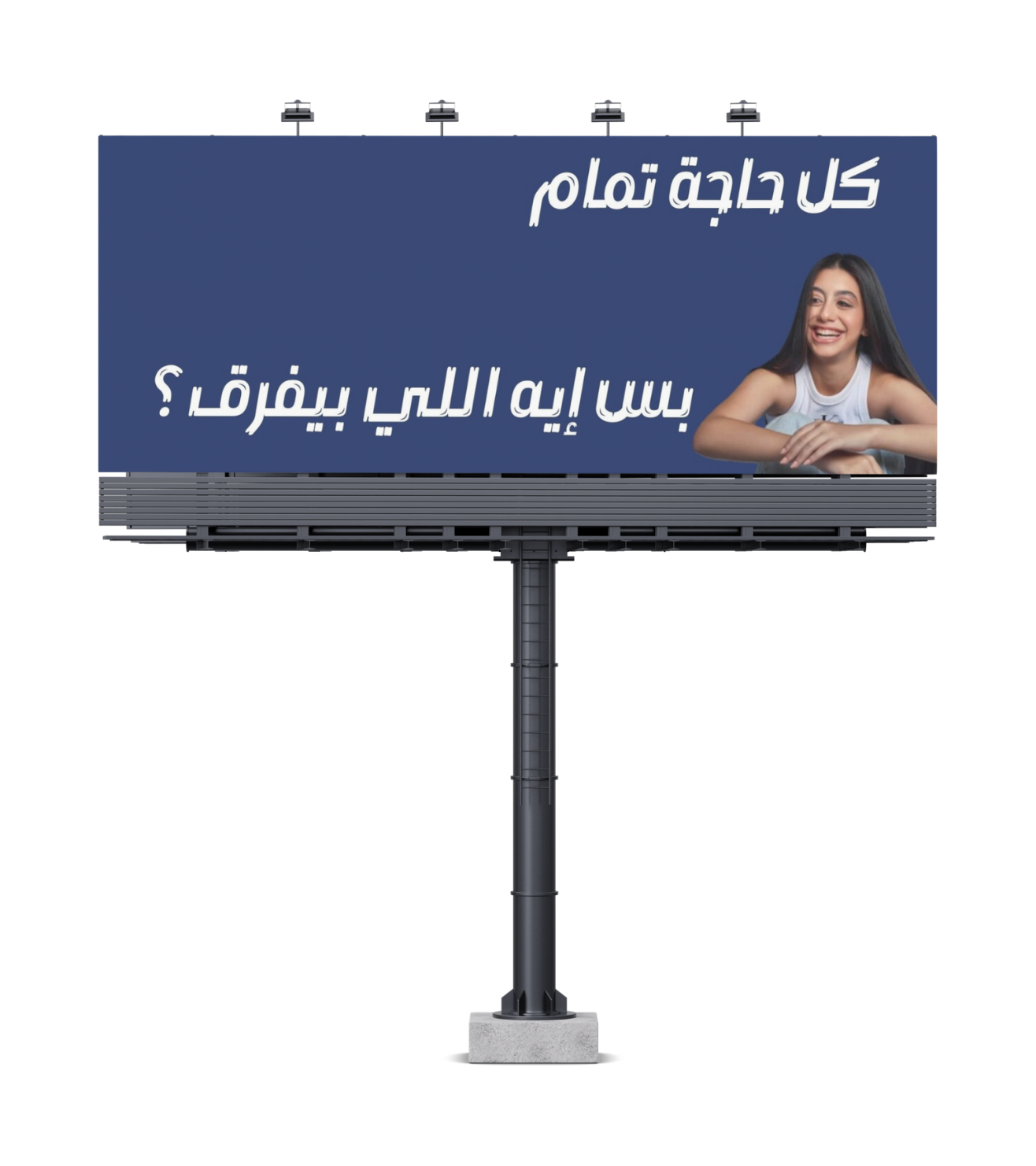
Campaign Gallery
 🔍 Click to expand
 🔍 Click to expand
 🔍 Click to expand
 🔍 Click to expand