

Work Summary
During my tenure at Nexus Analytica, I served as a key contributor to the Nexus EVolve and Nexus Charge ecosystems. My role operated at the critical intersection of industrial engineering and data science: transforming fragmented, manual data collection processes into automated, scalable pipelines. By architecting Python-based web scraping protocols and developing complex multi-variable sensitivity models, I enabled the firm to provide high-precision forecasting for EV adoption, infrastructure requirements, and fleet transition strategies for international stakeholders, including the UNDP and various national energy regulators.
Key Responsibilities & Core Systems
I was integrated into the core engineering team to support the development of Nexus EVolve, a sophisticated modeling tool designed to forecast the trajectory of electric vehicle adoption. My primary responsibilities included:
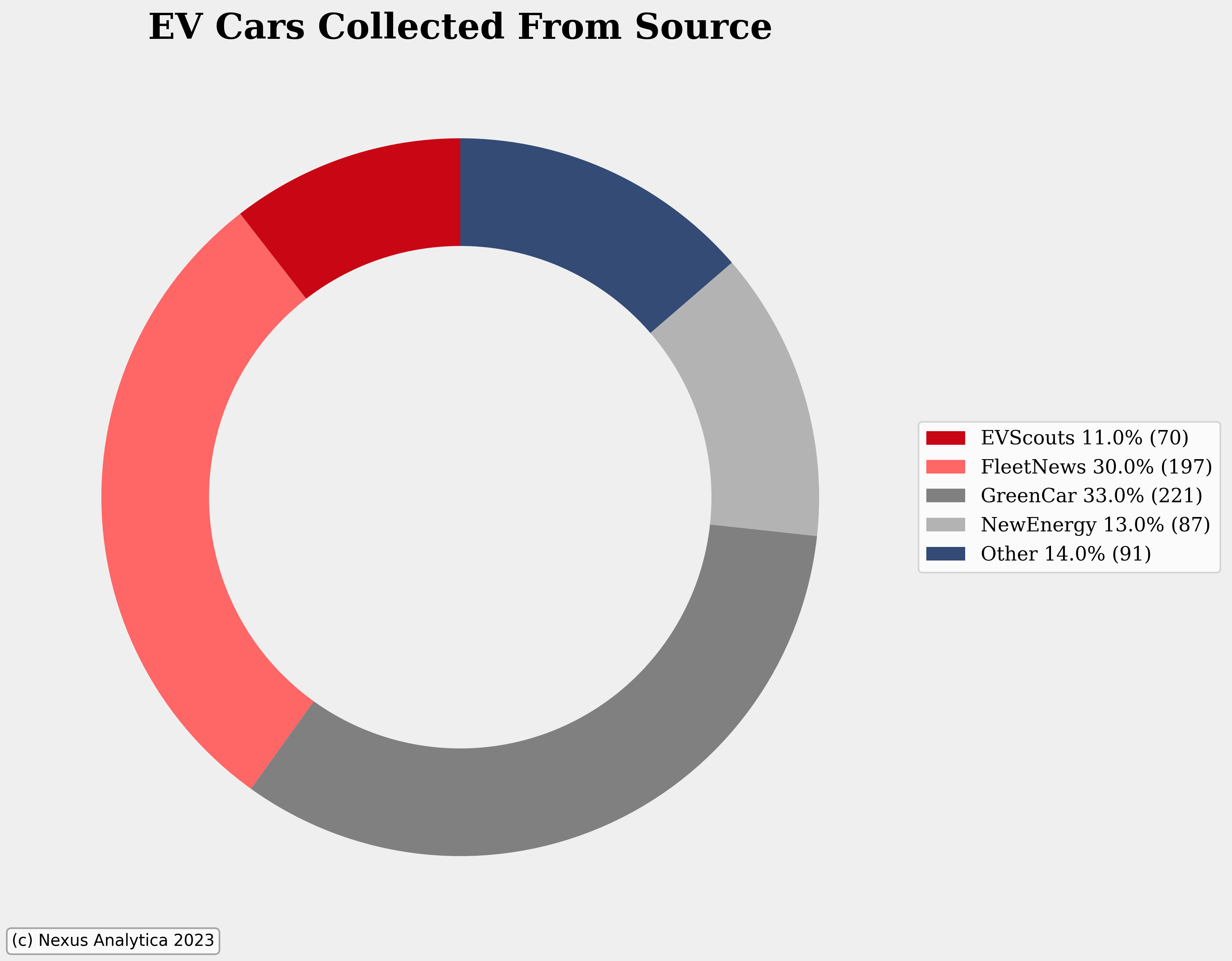
- Automated Data Acquisition: Engineering robust scrapers to aggregate multi-source data regarding EV specifications and pricing.
-
TCO Module Development: Constructing a standardized “Total Cost of Ownership” (TCO) framework to facilitate comparative analysis between Internal Combustion Engine (ICE) vehicles and EV alternatives.
-
Market Analysis: Supporting the development of strategic roadmaps for regional markets, with a specific focus on identifying infrastructure gaps and quantifying policy impacts.
Engineering Initiatives & System Optimization
To optimize internal workflows, I applied Lean methodology principles to eliminate “waste” (Muda) within the data acquisition phase.
- Process Standardization: I replaced manual entry bottlenecks with automated scripts, ensuring a consistent, structured data architecture for both “Cars” and “Buses” databases.
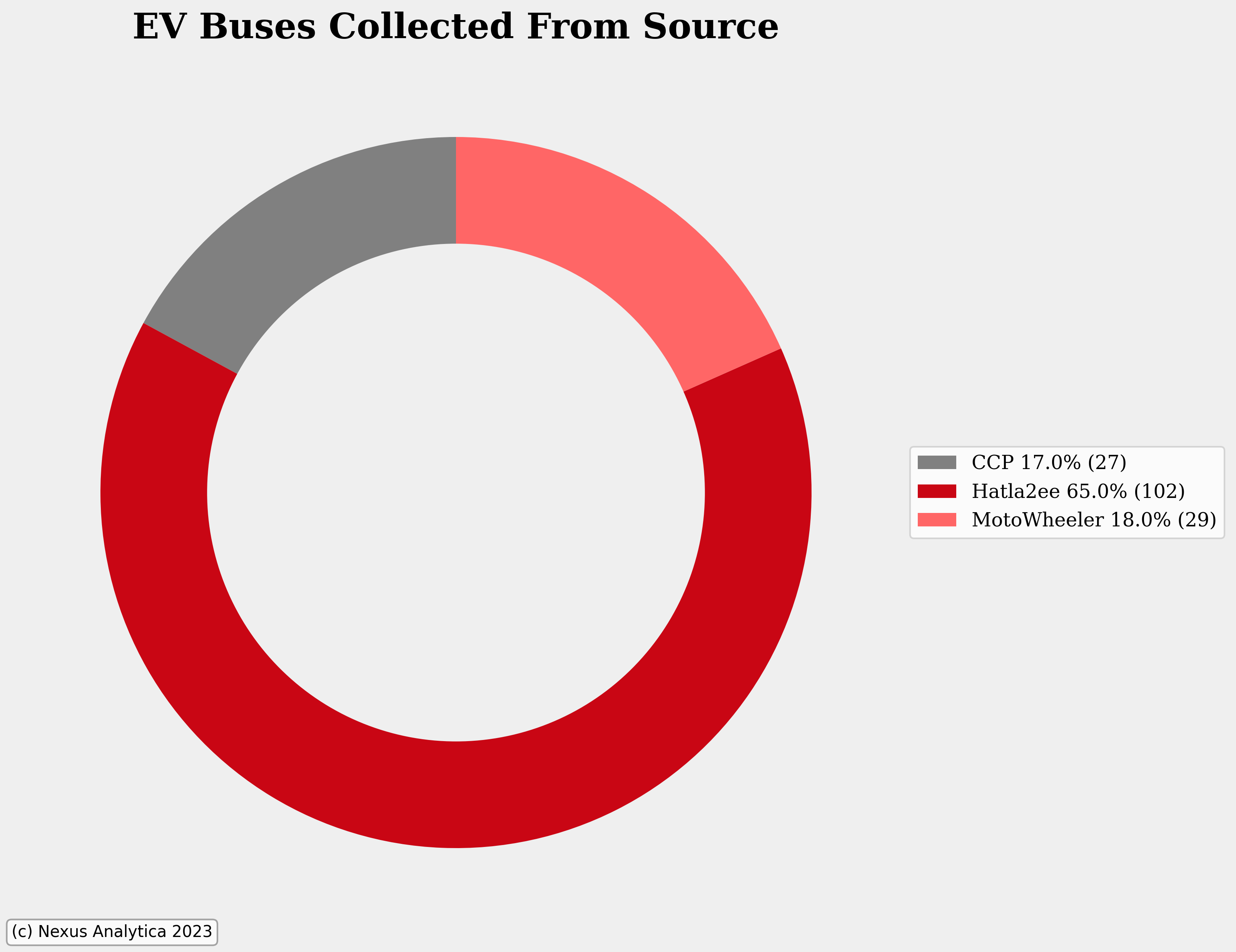
- Robustness & Scalability: By implementing Python-based scraping (BeautifulSoup/Selenium), I ensured the system could autonomously handle disparate units of measurement and currency conversions, significantly reducing the margin for human error.
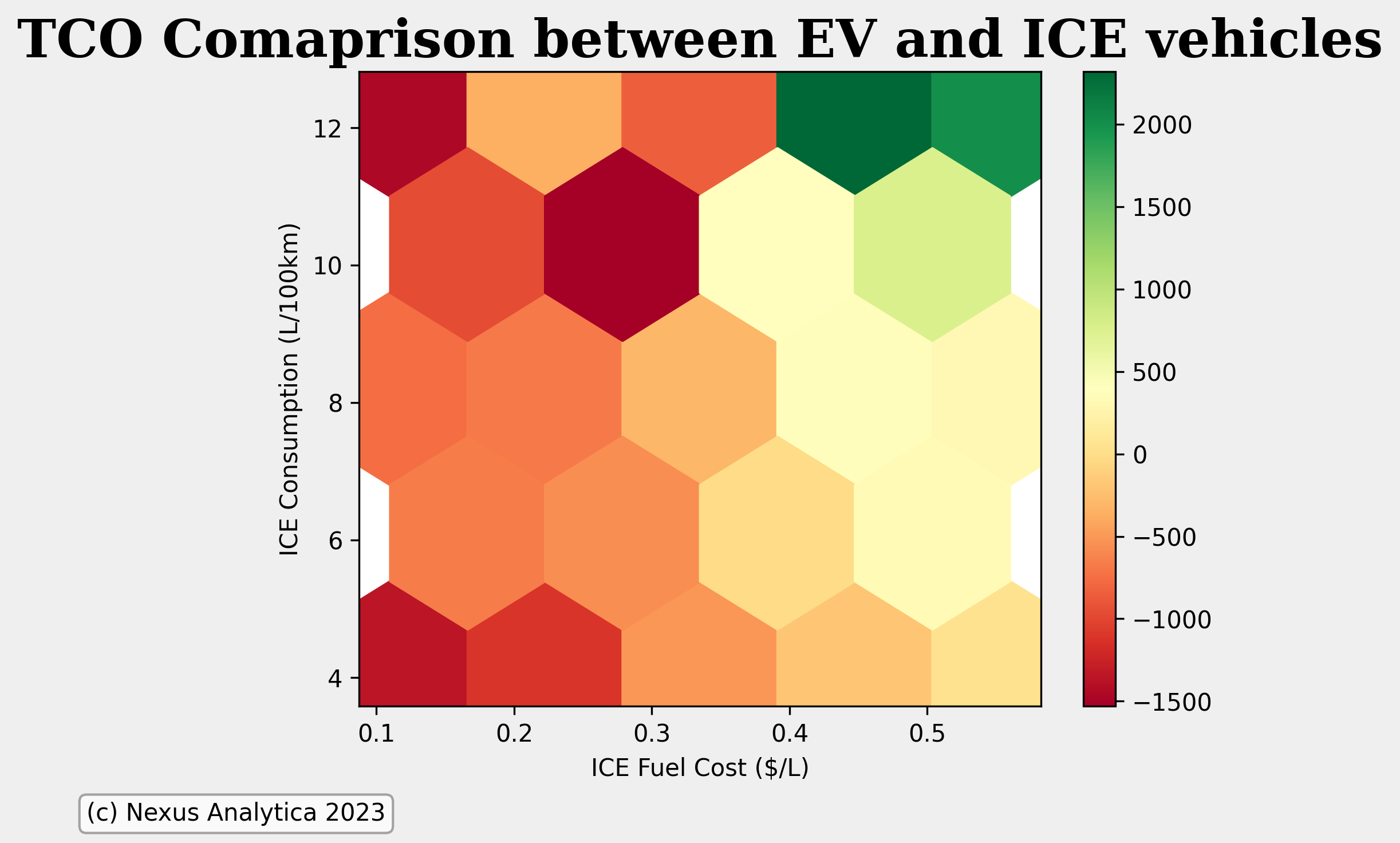
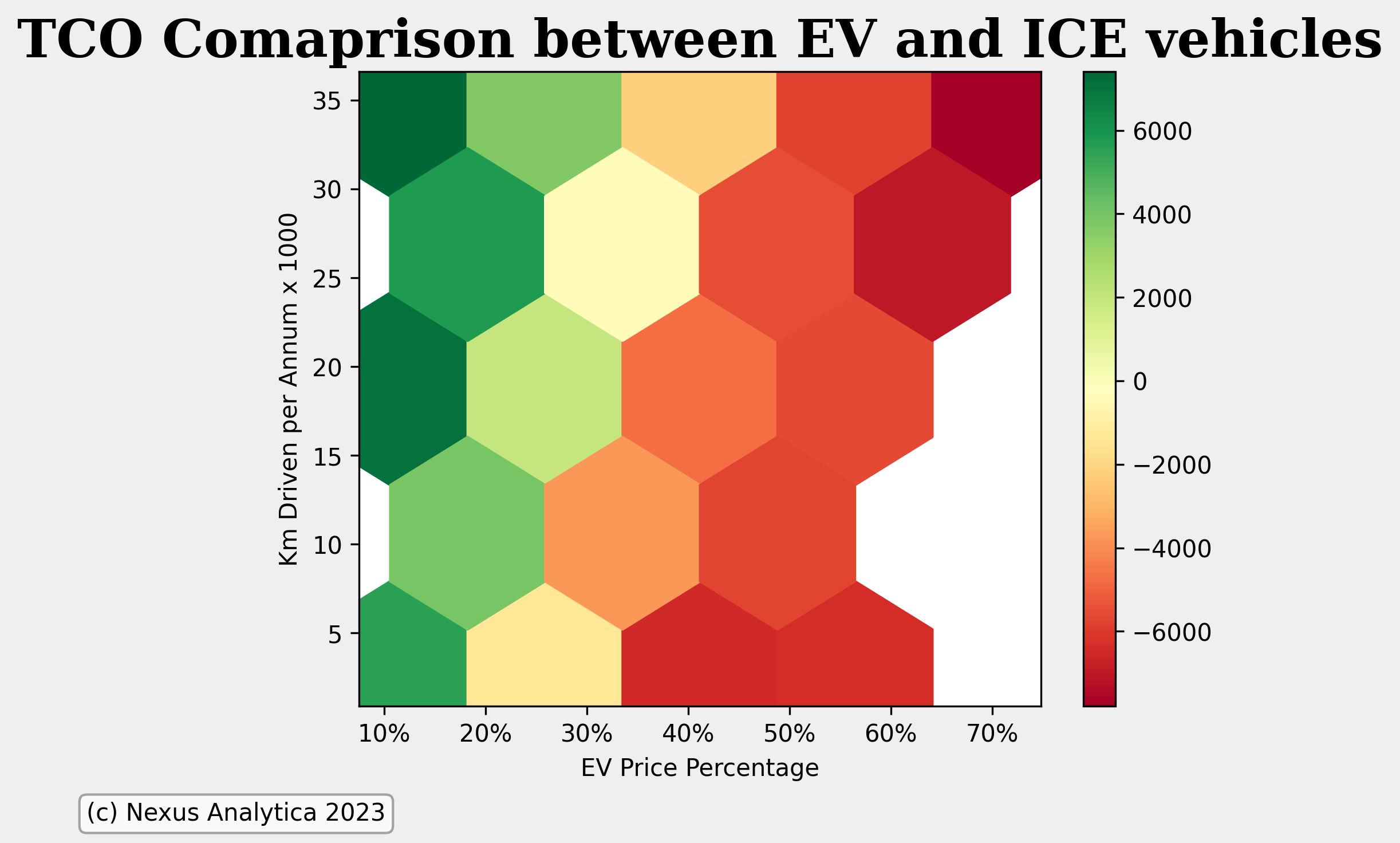
- Sensitivity Analysis Framework: I developed a modular analysis script to evaluate how fluctuations in fuel costs, vehicle acquisition prices, and operational expenditures impact the “break-even” point for EV adoption.
Automation & Data Infrastructure
The technical backbone of my contribution was the development of a comprehensive Python-based automation suite.
- Web Scraping Engine: Utilized
SeleniumandBeautifulSoupto navigate complex web structures, extracting real-time data on vehicle specifications. - Data Normalization: Implemented automated scripts to harmonize diverse units of measurement (e.g., converting various energy metrics into a standardized format).
- Sensitivity Analysis Scripting: Developed a Python module for multi-variable analysis. By iterating through variables such as
EV_Price_Percentageandkm_per_annum, the system generates heatmaps (hexbin plots) to identify optimal investment windows for stakeholders.
 🔍 Click to expand
 🔍 Click to expand
Quantified Impact & Operational Savings
- Lead Time Reduction: Automated data collection reduced the time required for market research by approximately 70%, enabling the consulting team to pivot toward high-value strategy development.
- Data Integrity: Standardized the TCO calculation logic, eliminating manual errors and ensuring consistent reporting across multi-client projects (e.g., UNDP, World Bank).
- Decision Support: The sensitivity analysis tools provided clients with a robust framework to model various economic scenarios, directly influencing policy recommendations for regional energy regulators.