
Executive Summary
Developed and executed a comprehensive computational framework to model the transport and dispersal of bio-inspired robotic jellyfish within dynamic, wave-driven ocean flows. By integrating the Maxey-Riley equation into a high-iteration simulation environment, I analyzed how morphological parameters (diameter, geometry) and environmental variables (wave steepness, specific gravity) influence vehicle trajectory. The project successfully identified optimal design configurations to maximize dispersal while minimizing energy expenditure, establishing a critical foundation for autonomous underwater vehicle (AUV) deployment in oceanographic research.
Key Responsibilities & Core Systems
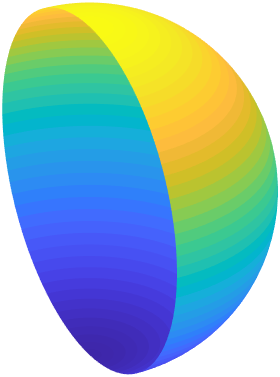
- Fluid Dynamics Modeling: Modeled the motion of non-spherical particles (hemispheres) in linear wave fields by integrating the Maxey-Riley equation to account for advection, added mass, Stokes drag, and buoyancy forces.
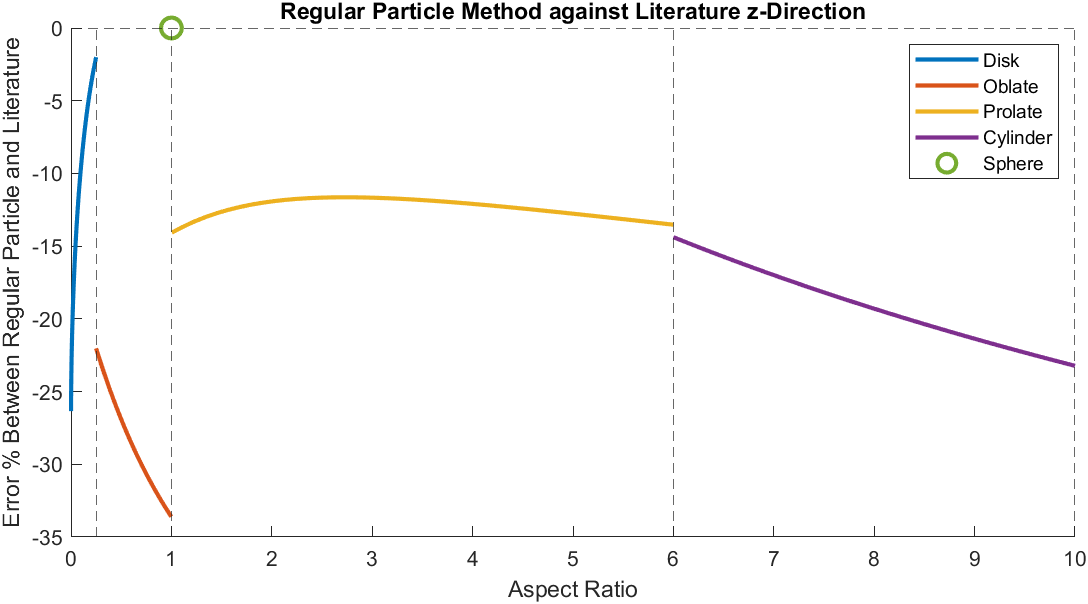
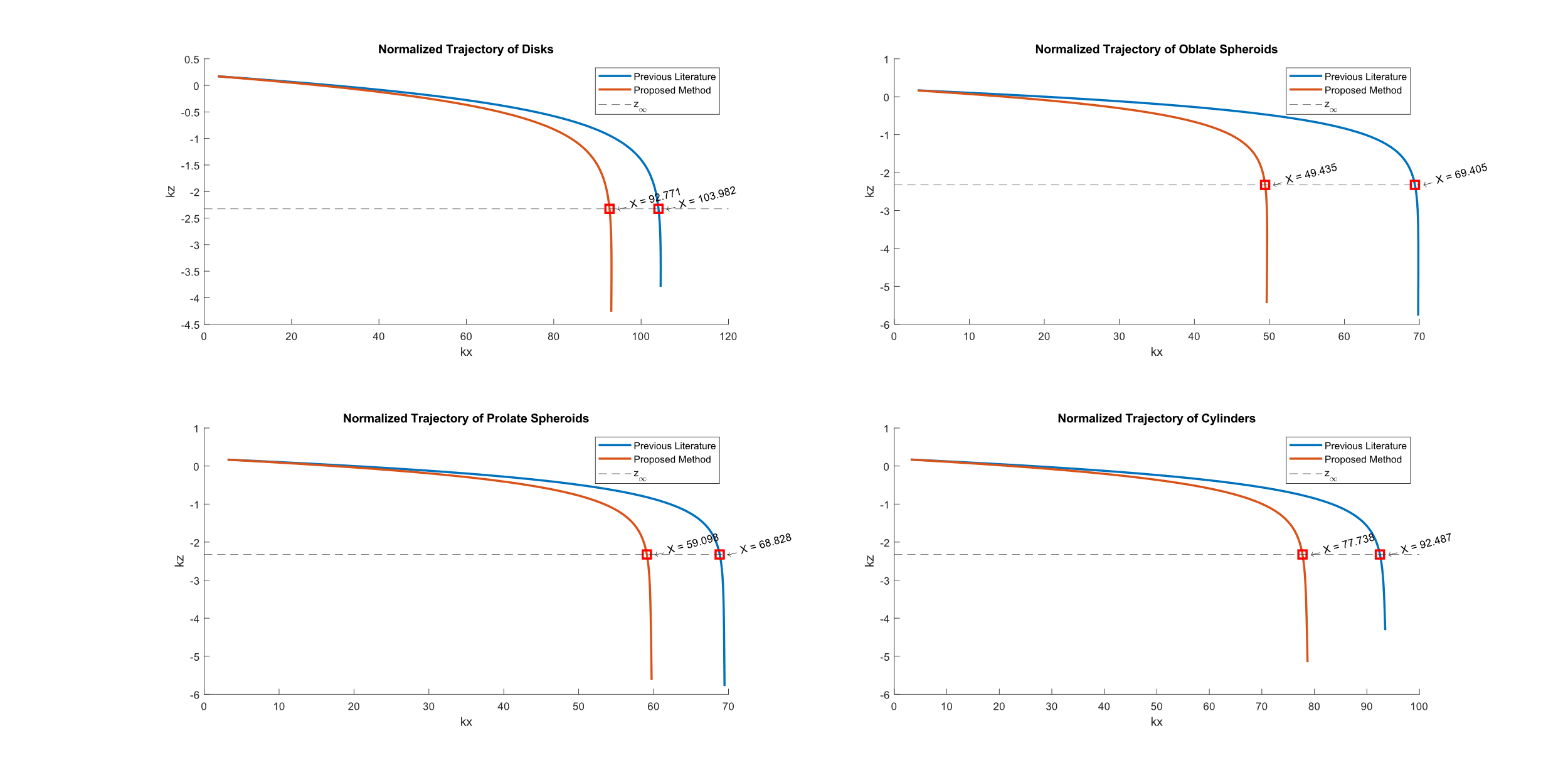
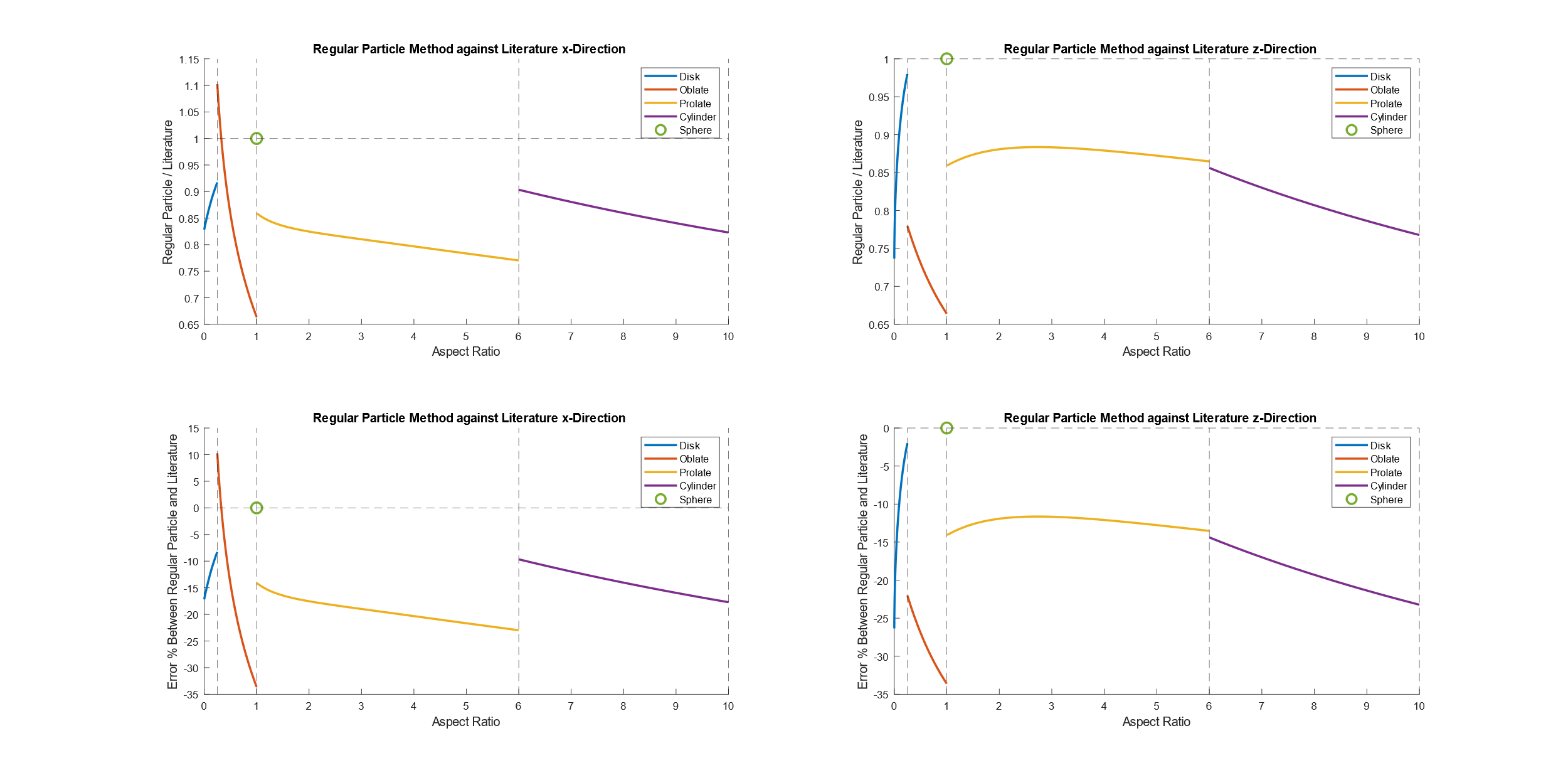
- Systematic Methodology Validation: Conducted a comparative analysis between the ‘Regular Particle’ method and established literature to quantify variance and error margins in resistance tensor calculations.
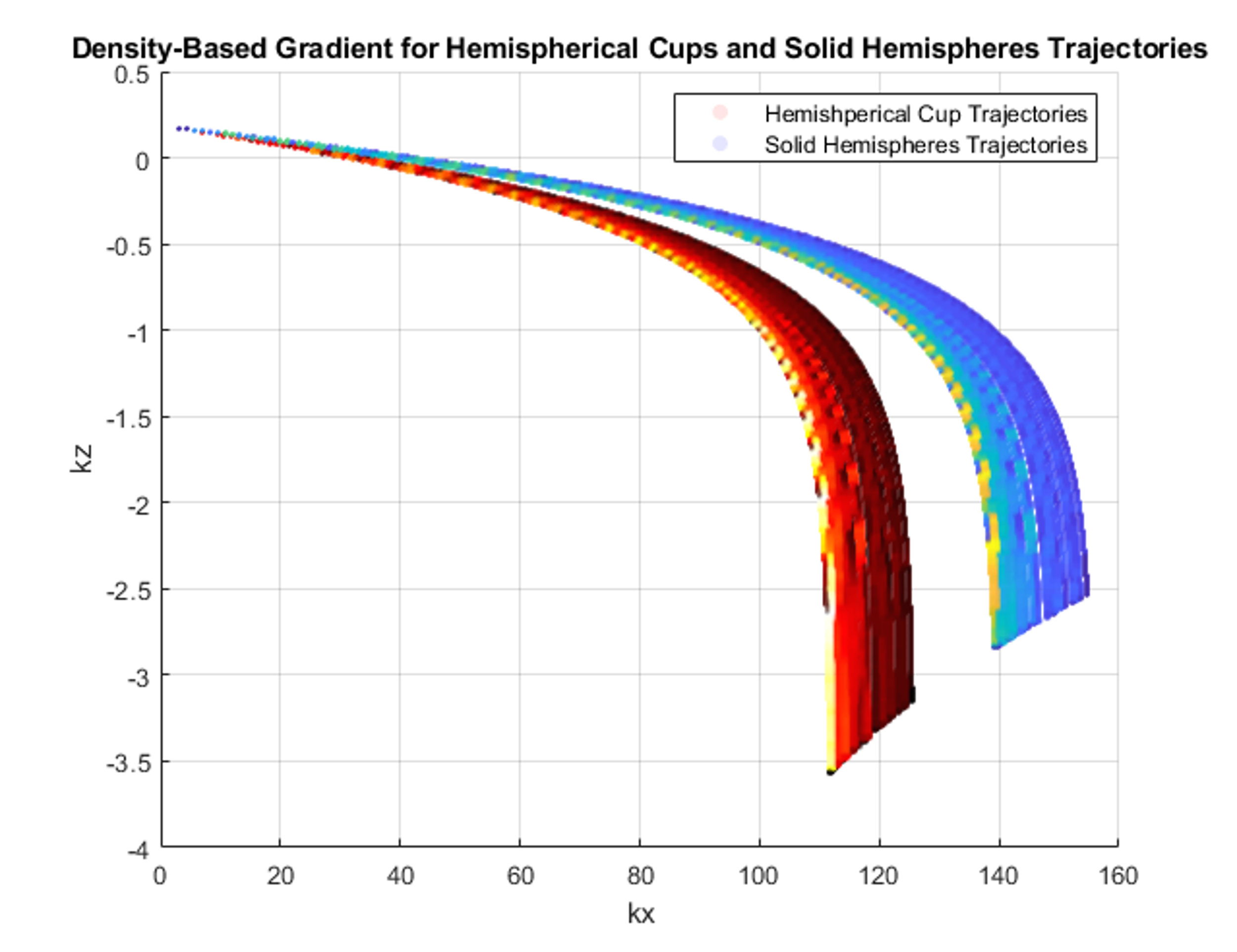
- Multi-Variable Analysis: Evaluated the impact of initial orientation on particle dispersion by simulating 728 unique configurations to generate high-fidelity probability density distributions.
- Technical Documentation: Authored comprehensive technical reports and presented findings to academic stakeholders, translating complex fluid dynamics into actionable design insights for autonomous systems.
Engineering Initiatives & System Optimization
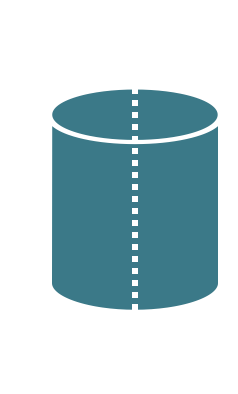
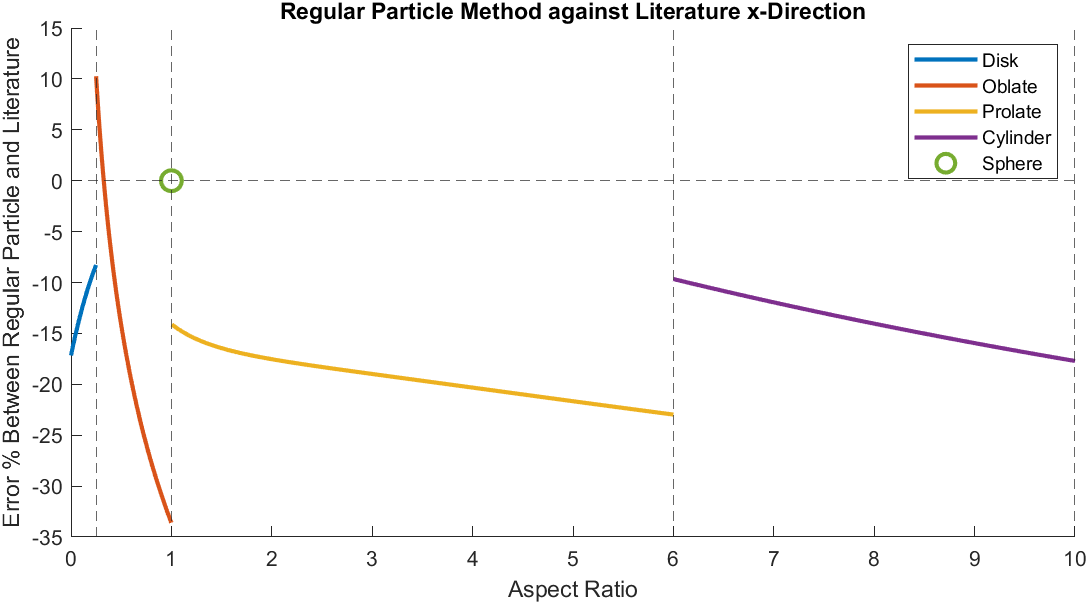
To ensure the integrity of the navigation model, I performed a Comparative Analysis of Resistance Tensor Methods. By benchmarking the ‘Regular Particle’ method against known geometries (disks, oblate spheroids, prolate spheroids, and cylinders), I identified critical variance points:
 🔍 Click to expand
 🔍 Click to expand
 🔍 Click to expand
 🔍 Click to expand
 🔍 Click to expand
- Accuracy Auditing: Identified that while the Regular Particle method demonstrated high accuracy for disks (under 8% error), it exhibited significant deviation when applied to oblate spheroids (~32% error).
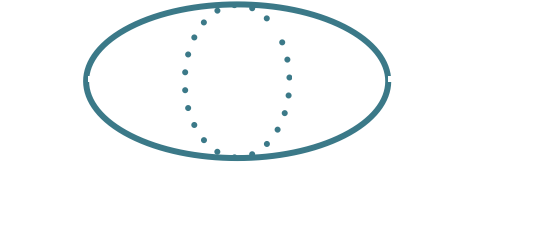
- Geometry Optimization: Analyzed how shape-specific resistance coefficients influence trajectory, establishing a roadmap for refining the ‘Regular Particle’ algorithm to minimize modeling uncertainty.
 🔍 Click to expand
 🔍 Click to expand
Automation & Data Infrastructure
I engineered a robust simulation pipeline using MATLAB 2023A to automate the processing of complex fluid dynamics:
- Automated Rotation Matrices: Developed scripts to rotate added mass and resistance tensors to align with real-time particle orientation.
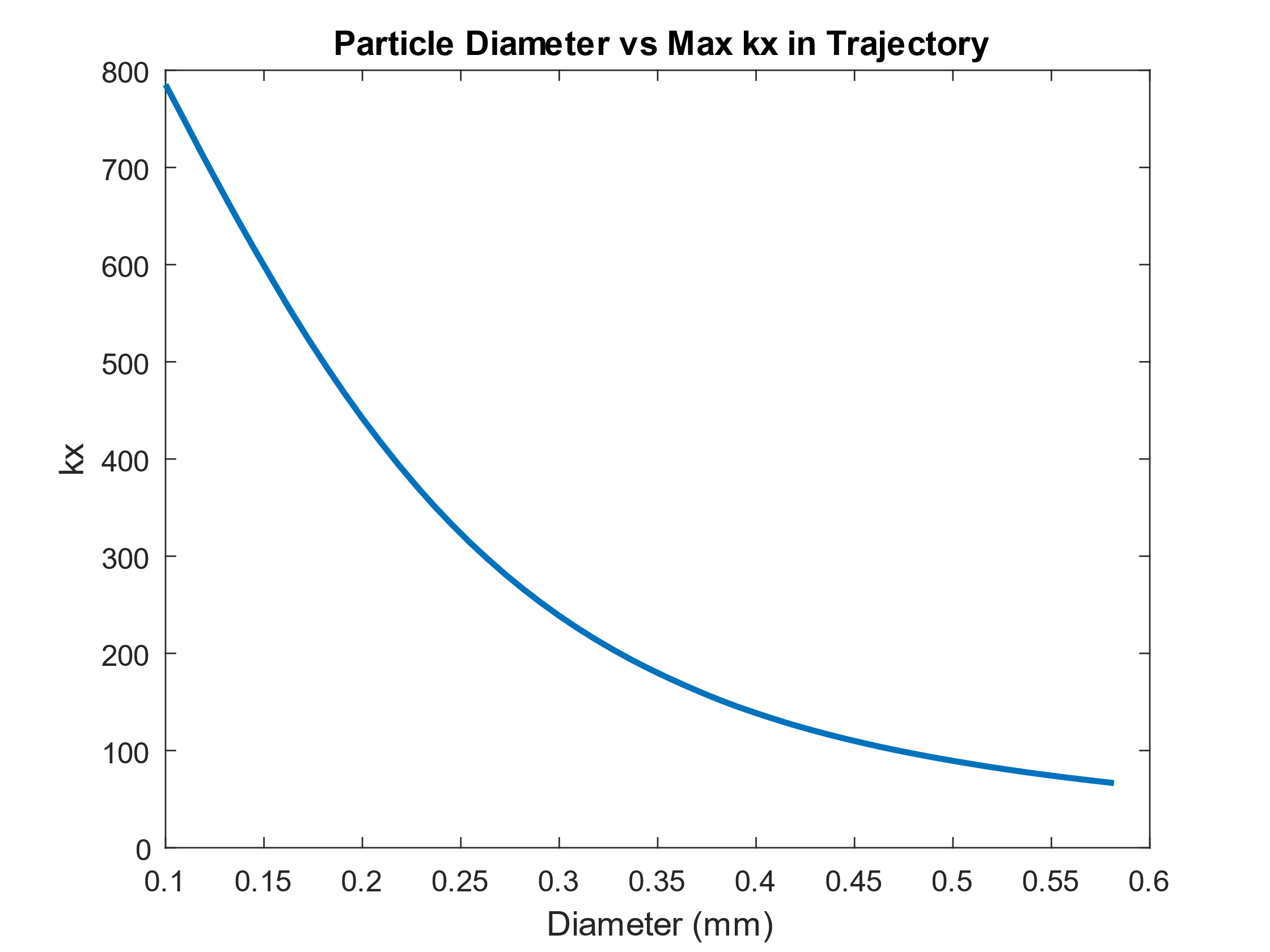
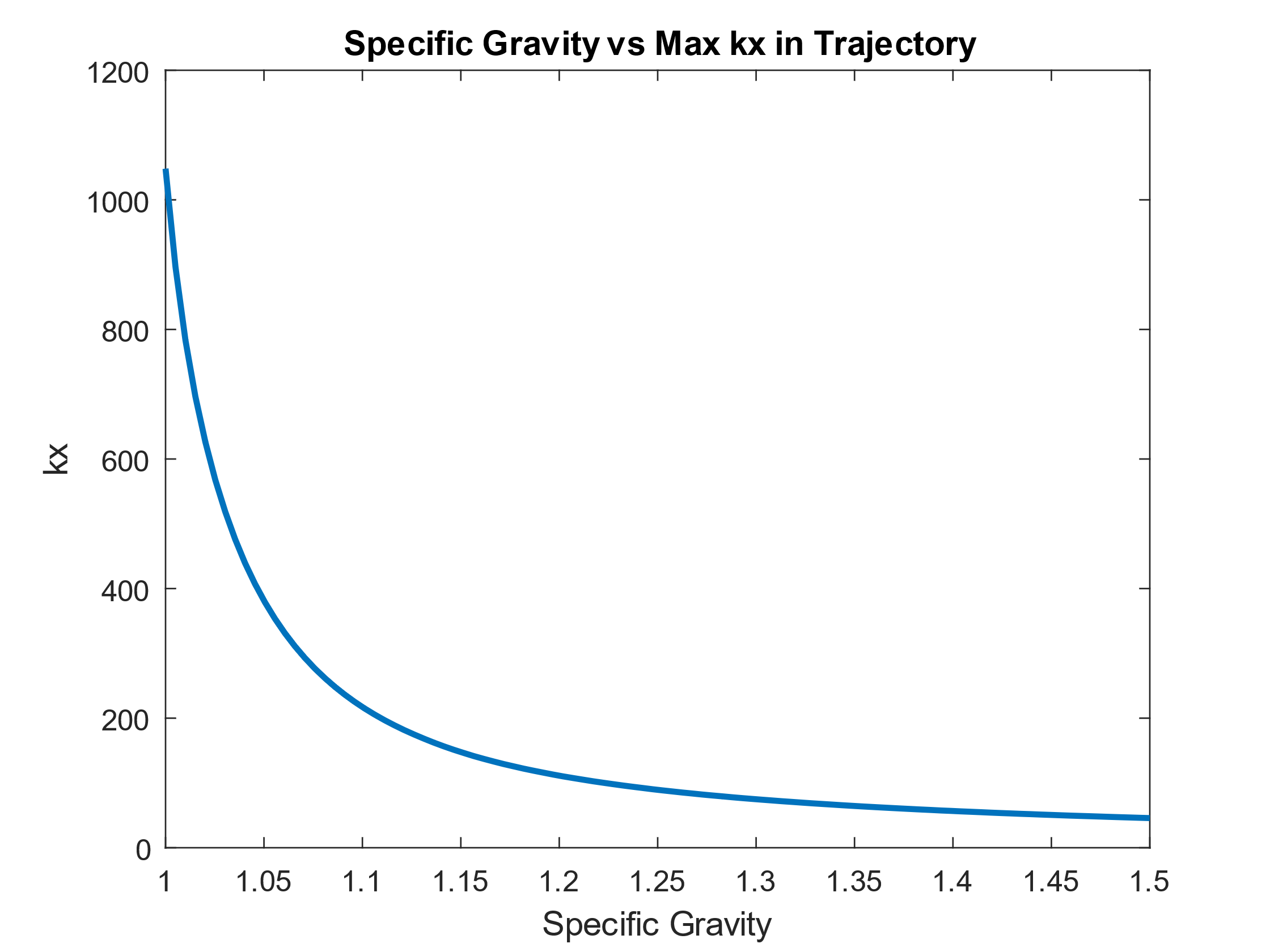
- High-Volume Simulation Loops: Implemented automated ‘Parameter Sweeps’ to evaluate 100 constant intervals across both diameter (1mm to 0.1mm) and specific gravity (1.0 to 1.5).
- Data Processing: Utilized
ode15ssolvers with high-precision tolerances () to ensure numerical stability during large-scale iterative simulations.
Quantified Impact & Operational Savings
- Optimization of Design Parameters: Identified that a reduction in particle diameter to 0.1mm significantly increases dispersion ( values), providing specific, actionable targets for manufacturing specifications.
- Risk Mitigation: Quantified the impact of specific gravity on buoyancy stability, determining that a range of 1.0 to 1.5 is required to maintain buoyancy while maximizing movement in turbulent flows.
- Model Validation: Successfully validated the ‘Regular Particle’ method’s utility for standard geometries, establishing a high-confidence baseline for future iterations involving complex, non-standard shapes.