
TL;DR
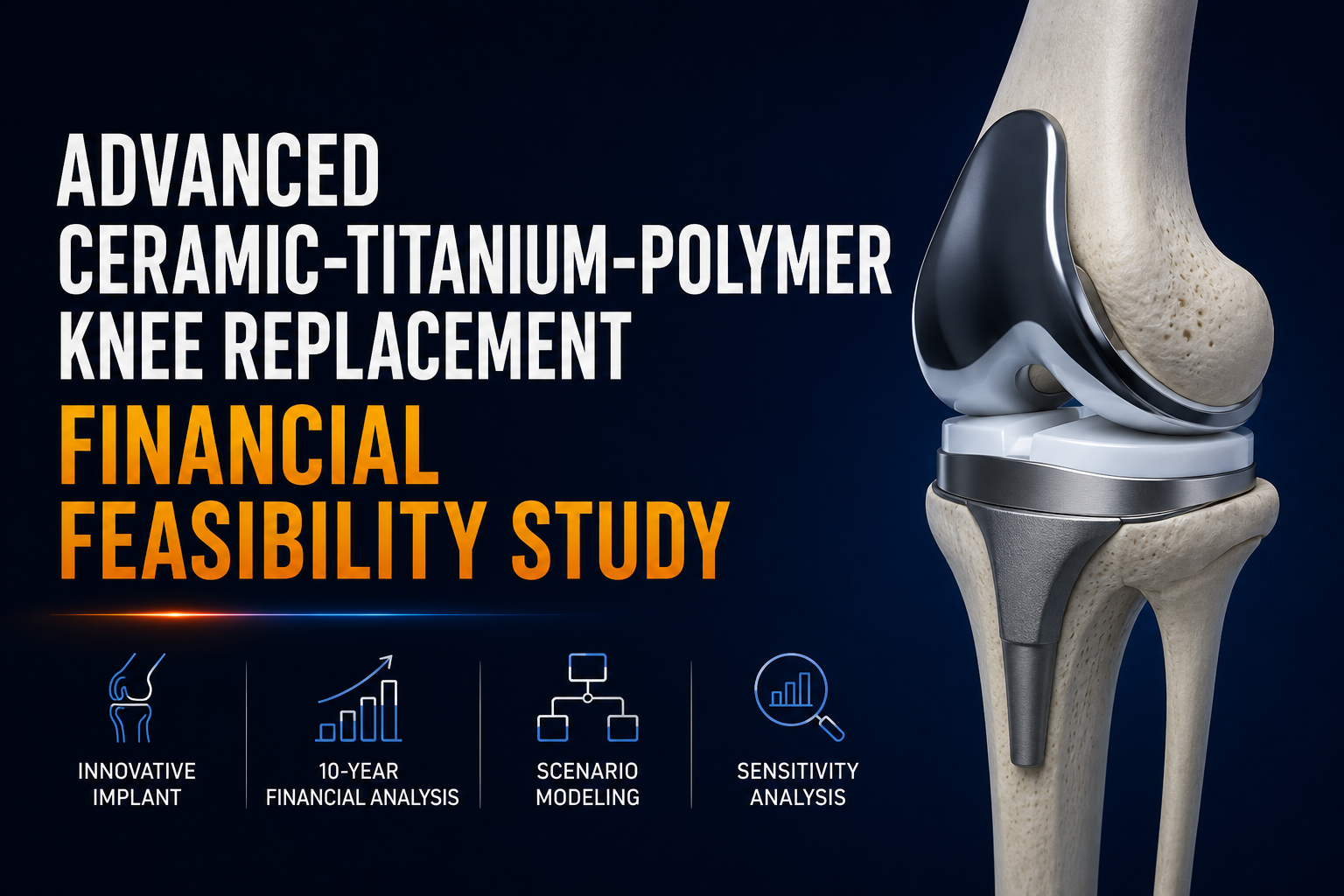
To mitigate patient discomfort caused by the excessive weight of traditional titanium knee replacements, I conducted a financial feasibility study of a ceramic-titanium-polymer hybrid. This material innovation maintains the structural integrity required for long-term implantation while achieving a 20% reduction in total mass. The project was validated through a rigorous 10-year financial analysis—incorporating scenario modeling and sensitivity analysis—confirming its viability even under adverse market conditions.
Problem
KoaLife’s existing titanium knee replacements were highly regarded by clinicians for their durability and structural integrity. However, clinical feedback identified a critical usability gap: patients reported increased physical strain and discomfort due to the device’s weight during the initial months of recovery. The primary engineering challenge was to develop a composite material capable of reducing mass by 20% without compromising mechanical properties or the 10-year lifespan required by medical standards.
Design Iterations
The primary design pivot involved transitioning from monolithic titanium to a ceramic-titanium-polymer composite. This hybrid material was specifically engineered to optimize the strength-to-weight ratio, ensuring high performance in a lighter form factor.
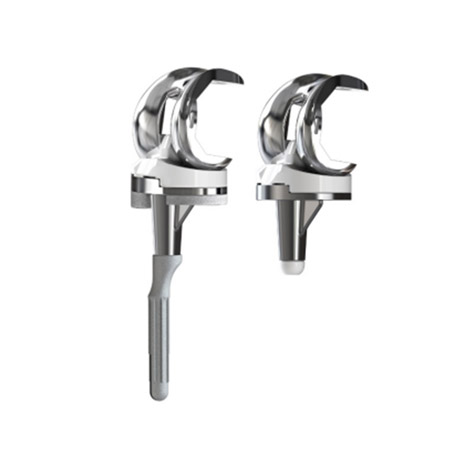
By integrating polymer elements into the titanium matrix, the design team successfully mitigated weight concerns while ensuring the product remained a premium, high-performance option for patients aged 40 and above.
Technical Details
To bridge the gap between conceptual design and production, I conducted a comprehensive 10-year financial and technical feasibility study. The analysis utilized a 18% discount rate and a 21% tax rate, incorporating a $20M initial capital expenditure (CAPEX) with a 7-year MACRS depreciation schedule.
Scenario Analysis
We modeled three distinct economic environments to stress-test the project’s viability:
- Most Likely: Based on a 10% annual growth in sales and standard manufacturing costs.
- Best Case: Modeled with a 10% reduction in COGS and a 10% increase in selling price.
- Worst Case: Modeled with a 20% increase in COGS and a 20% decrease in selling price.
Sensitivity Analysis
A critical component of the technical review was identifying the primary drivers of Net Present Value (NPV). By varying the Selling Price and Cost of Goods Sold (COGS) by 20%, we determined that the selling price is the most influential variable impacting the project’s overall profitability.
Results & Key Metrics
The analysis confirmed that the project remains financially viable even in a worst-case scenario, although the payback period extends significantly under those conditions.
| Metric | Worst Case | Most Likely | Best Case |
|---|---|---|---|
| NPV | $2.6M | $24.5M | $37.7M |
| IRR | 21% | 42% | 53% |
| MIRR | 19.4% | 28% | 31% |
| Simple Payback | 4.9 Years | 2.7 Years | 2.2 Years |